
Layered Oil Painting Wildlife Detail: The Art Behind a Moonlight Deer Night Scene
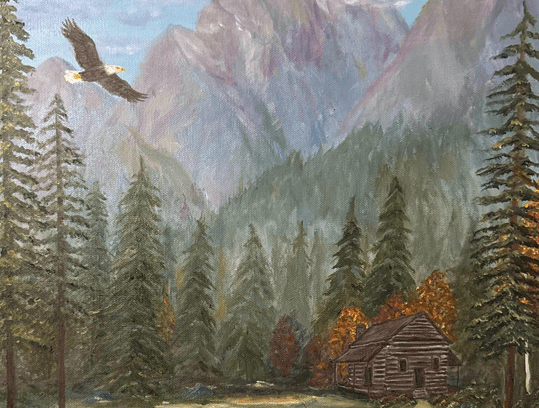
There’s a reason wildlife art can stop you mid-step in a gallery or hallway. It isn’t just the subject, a deer, a bird, a bear moving through its natural world, it’s the way the paint itself seems to hold light, shadow, and texture all at once. That effect doesn’t happen by accident. It’s the result of layered oil painting wildlife detail, a slow, deliberate process built one glaze and one brushstroke at a time, and it’s the foundation of every piece Mary Lynn Talley creates from her studio in South Louisiana.
What “Layered” Really Means in Oil Painting
Layering in oil painting isn’t simply applying more paint. It’s a structured process of building form, depth, and realism in stages. An artist typically starts with a loose underpainting to establish values and composition, then gradually adds layers that refine color, texture, and light. Each layer needs time to set before the next is applied, which is part of why oil painting rewards patience over speed. For wildlife subjects especially, this technique is essential. Fur, feathers, water reflections, and dappled light through trees all require multiple passes to look convincing rather than flat.
This is where craftsmanship becomes visible. A single deer’s coat might involve dozens of small, controlled strokes layered over a base tone, each one adjusting color temperature or catching a different angle of light. The result is a surface that has real dimension, the kind of detail that makes a viewer feel like they could reach out and touch fur or fabric.
A Case Study in Atmosphere: Oil Painting Moonlight Deer Night Scene
Few subjects demonstrate layered technique better than an oil painting moonlight deer night scene. Night scenes are notoriously difficult in any medium because so much of the emotional weight rests on subtle value shifts rather than bold color contrast. A moonlit forest doesn’t offer the artist bright highlights or vivid hues to lean on. Instead, it demands a careful build of cool blues, deep shadow tones, and just enough warmth in the moonlight itself to keep the scene from feeling flat or lifeless.
In a piece like this, the deer typically emerges from the canvas through contrast rather than detail alone, a slightly lighter silhouette set against layered darkness, with just enough definition in the eyes, ears, and posture to suggest quiet alertness. The surrounding forest is built through repeated glazing, thin, semi-transparent layers of paint that let previous layers show through, creating the illusion of depth in the underbrush and distance in the trees. It’s a technique that takes far longer than a single sitting, but the payoff is a painting that feels atmospheric rather than illustrated.
Why This Technique Matters to Collectors
For anyone considering original wildlife art for a home or office, understanding layered oil painting wildlife detail changes how the work is seen. It’s not just a picture of an animal, it’s a record of process, patience, and observation. A moonlight deer night scene in particular rewards close viewing, since much of its magic lives in the subtle transitions between shadow and form. That’s the kind of detail mass-produced prints simply can’t replicate, and it’s what makes a hand-layered original oil painting worth living with for years to come.