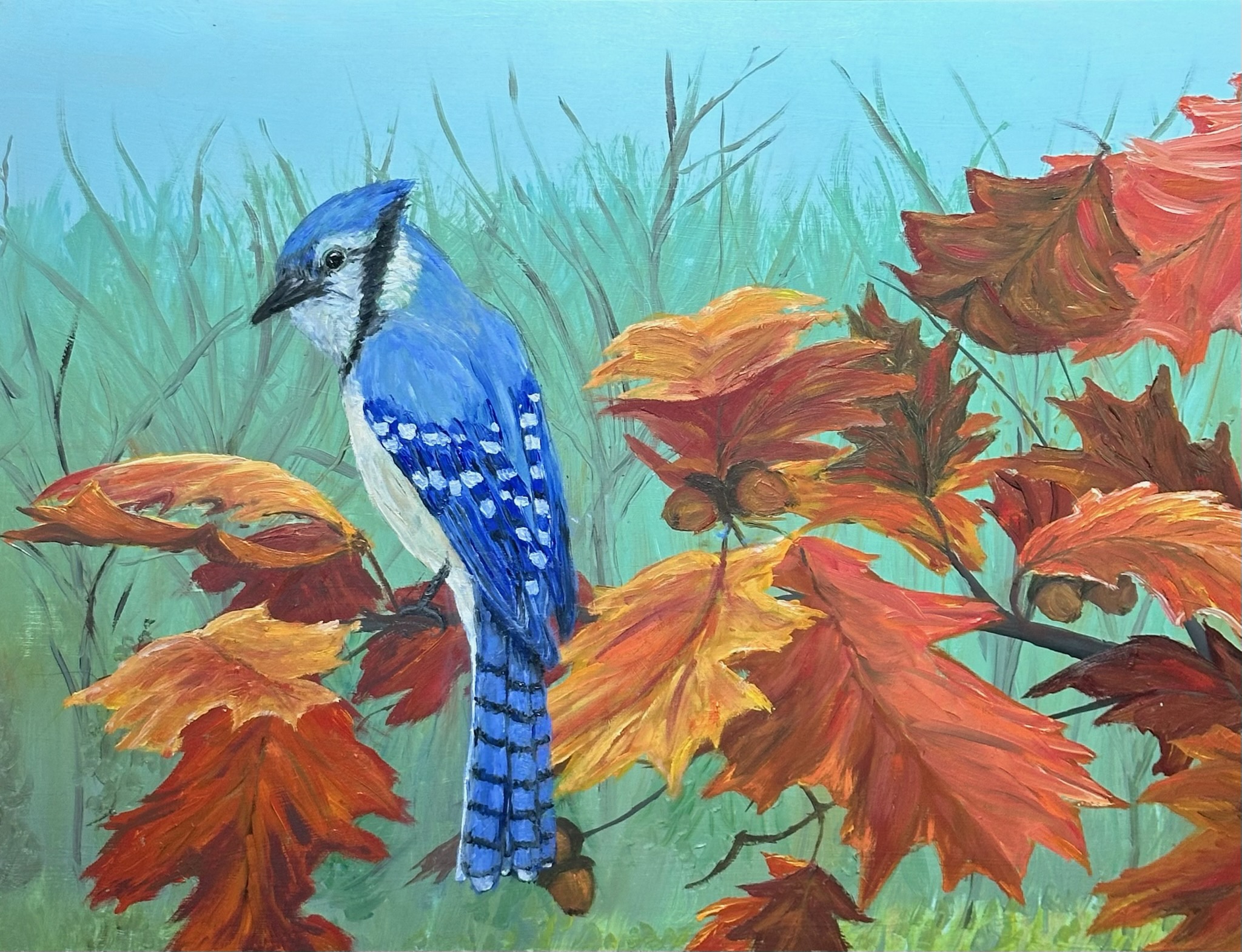
Light in southern landscapes is not stable enough to be treated as a single condition. It behaves more like movement across surfaces than something that arrives and stays. In wetlands, forests, and open clearings, the way light appears depends on moisture in the air, density of growth, and the distance between open and covered spaces.
There is no fixed version of a scene. A location that feels soft and muted in one hour can feel sharper and more defined later without any physical change in the environment. What changes is how light passes through it.
This makes direct observation less about capturing appearance and more about noticing repetition in behavior.
What actually changes inside the same place?
When light enters wooded or wetland areas, it does not travel cleanly. It breaks, bends, and filters through multiple layers before reaching the ground or water. Because of this, surfaces rarely hold a single tone.
Some changes are easy to notice. Others require longer attention.
⦁ Water surfaces shift from flat reflection to broken texture depending on wind movement
⦁ Tree cover creates uneven brightness instead of consistent shade
⦁ Open ground holds light differently depending on surrounding density
⦁ Shadows rarely stay fixed and often stretch or compress within short time spans
These changes are not dramatic on their own. Together, they define how the environment is read visually.
Why repetition matters more than a single view?
A single observation does not explain how light behaves in these environments. It only shows one moment. Returning to the same place under different conditions reveals patterns that are otherwise missed.
In one visit, a marsh edge may appear almost still. On another day, the same space may feel visually fragmented due to the wind across the water surface. In forested areas, canopy gaps shift how light enters, which changes how ground forms appear, even when nothing physically moves.
This repetition builds an understanding that cannot be replaced by reference images alone.
How does this become part of painting decisions?
When working back in the studio, there is no attempt to recreate a moment exactly as it appeared. That approach does not hold up, because the original conditions were never fixed in the first place.
Instead, what carries forward is the way light behaves.
In one of Mary’s wetland-based paintings, water is not treated as a uniform reflective surface. It carries small interruptions that reflect the surrounding vegetation and open sky at the same time. That kind of treatment does not come from copying a scene. It comes from remembering how often water in those environments refuses to stay visually consistent.
Oil paint allows these decisions to be adjusted slowly. Some areas are softened to reflect diffusion. Others are strengthened where light holds more intensity. The surface develops in stages rather than all at once.
Why is control not the goal?
There is a tendency to treat light as something that should be organized into a clean separation. In southern environments, that approach removes too much of what actually defines the place.
Light here does not stay within boundaries. It overlaps, fades, returns, and breaks apart depending on distance and surface interaction. Trying to force consistency flattens that behavior.
A more accurate result comes from allowing unevenness to remain visible, not as an effect, but as a condition of the environment itself.
Closing perspective
Southern landscapes do not present light as a single readable system. They present it as a variation over time and surface. Wetlands, forests, and open ground all respond differently, even within the same moment.
Understanding this does not come from a single study session. It comes from repeated attention to the same environments until patterns become familiar.
That is what carries into painting. Not a fixed image, but an awareness of how light actually behaves when nothing about it is controlled.